How to Start Affiliate Marketing With No Experience
If you want to learn how to start affiliate marketing with no experience, the best approach is to begin with the basics and build step by step.
Starting affiliate marketing can feel overwhelming when you have no background in online business, content creation, or digital tools. Many beginners assume they need a large audience, advanced technical skills, or a marketing degree before they can begin.
Table of Contents
In reality, affiliate marketing can be started with no experience at all. What matters most in the beginning is not perfection, speed, or complicated strategy. What matters is learning the basics, choosing a clear direction, and building trust step by step.
If you approach affiliate marketing with patience and realistic expectations, it can become a practical long-term skill rather than a confusing online trend. This guide explains how to start affiliate marketing with no experience in a way that is simple, honest, and beginner-friendly.
What Affiliate Marketing Means for Beginners
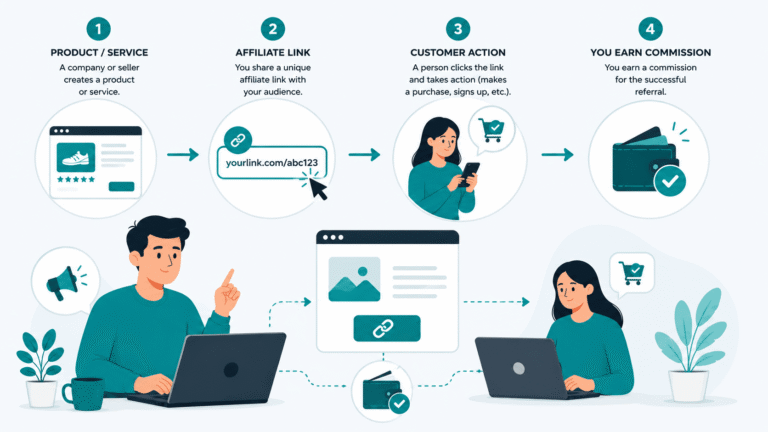
Affiliate marketing is a model where you recommend a product or service through a special tracked link. If someone takes a qualifying action through that link, such as making a purchase or signing up, you may earn a commission.
For beginners, the most important thing to understand is that affiliate marketing is not just about posting links. In practice, it works best when useful content, trust, and relevance come first.
A simple version looks like this:
- a company offers an affiliate program,
- you join the program,
- you receive a referral link,
- you create content that helps the right audience,
- a person clicks your link and takes action,
- and the action may generate a commission.
If you are completely new to the idea, it may also help to start with a beginner guide on what affiliate marketing is and how it really works.
Start With Learning, Not Selling
One of the biggest beginner mistakes is trying to sell before understanding how the system works. It is very tempting to jump straight into programs, links, and promotions, especially when affiliate marketing is often presented as easy income.
A better first step is learning.
Before promoting anything, understand:
- what an affiliate program is,
- how tracking links work,
- what commissions are based on,
- what type of action counts,
- and how trust affects conversion.
This learning stage does not need to be complicated. You do not need to know everything. But you do need enough clarity to avoid promoting random offers without understanding the basics.
When beginners start with learning instead of rushing into promotion, they usually make fewer mistakes and build a better foundation.
Choose One Clear Topic or Direction
Trying to promote everything at once creates confusion. If you want to start affiliate marketing with no experience, one of the smartest choices is to narrow your direction early.
A focused topic helps you:
- create clearer content,
- attract the right audience,
- choose more relevant affiliate products,
- and build trust more naturally.
For example, a beginner-friendly direction could be:
- affiliate marketing basics,
- financial literacy for beginners,
- simple productivity tools,
- online safety and scam awareness,
- or helpful tools for people starting online work.
The goal is not to choose the perfect niche on day one. The goal is to choose one direction that makes your content more consistent and easier for people to understand.
Understand Who You Want to Help
Before choosing products, think about the people you want to help.
This is one of the most important mindset shifts in affiliate marketing. Beginners often focus too quickly on commission rates, but long-term success usually comes from understanding the audience first.
Ask simple questions:
- Who is this content for?
- What are they struggling with?
- What are they trying to learn?
- What kind of recommendation would actually help them?
If your audience is full of beginners, they usually do not need aggressive offers or complicated products. They need clarity, trust, and useful guidance.
When you understand the audience, affiliate marketing becomes less about promotion and more about recommendation. That difference matters.
Pick Beginner-Friendly Affiliate Programs
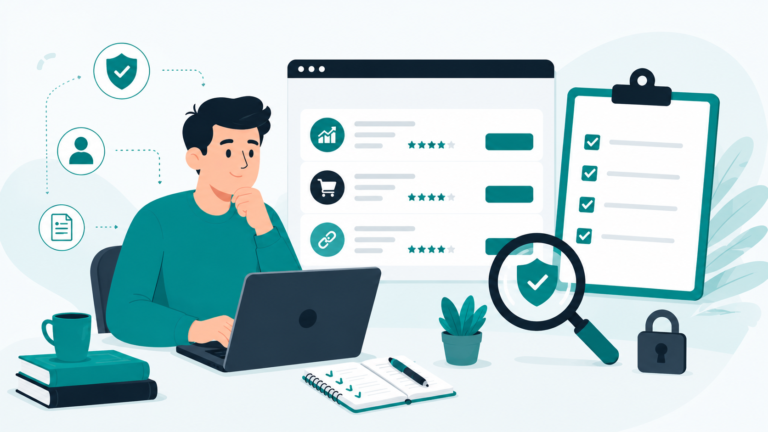
Once you understand your direction and audience, you can begin looking at affiliate programs. If you have no experience, start with programs that are simple, trustworthy, and easy to explain.
A beginner-friendly affiliate program should usually have:
- a clear product or service,
- understandable commission terms,
- a reliable company behind it,
- useful information for affiliates,
- and an offer that fits your audience naturally.
It is usually better to start with fewer, better programs rather than signing up for many random ones.
Be careful with:
- unrealistic income promises,
- unclear program rules,
- low-quality products,
- or brands that feel overly aggressive.
If you want more guidance on this step, you can also read how to choose your first affiliate program safely
Create Helpful Content First
If you want to start affiliate marketing with no experience, helpful content is one of your greatest advantages.
You do not need to begin with persuasive sales language. In fact, beginners usually do better when they start with simple, useful content that answers real questions.
This might include:
- beginner guides,
- FAQ-style posts,
- honest explanations,
- product comparisons,
- checklists,
- or “what to know before you start” articles.
Helpful content creates context. It gives your audience a reason to trust your recommendation and understand why a product or service might matter.
Without that context, affiliate links often feel random. With useful content, they become part of a larger educational experience.
For example, if you write about budgeting basics, you might naturally mention a budgeting app. If you explain beginner content tools, you might recommend a platform you genuinely believe is useful. The recommendation works best when it fits the topic and the audience.
Use One or Two Platforms, Not Everything at Once
Beginners often feel pressure to be everywhere at once. A website, Facebook, Instagram, YouTube, Pinterest, email marketing, and more can sound exciting at first, but it often creates burnout and inconsistency.
A simpler approach usually works better.
When starting affiliate marketing with no experience, choose one primary platform and, if needed, one secondary support platform.
For example:
- a website plus Facebook,
- or a website plus Instagram,
- or a website plus YouTube.
This gives you room to learn without spreading yourself too thin.
The goal in the beginning is not maximum exposure. The goal is consistency. A smaller, focused effort is usually stronger than trying to build five channels at once and maintaining none of them well.
How to Start Affiliate Marketing With No Experience Step by Step
Affiliate marketing becomes much easier when trust is part of the process from the beginning.
Trust comes from:
- clear language,
- honest recommendations,
- relevant content,
- realistic expectations,
- and consistency over time.
It does not come from hype.
It is also helpful to review basic advertising and endorsement principles.
If you have no experience, you may feel pressure to sound more advanced than you are. But pretending to know everything usually creates weak content. A more effective approach is to be clear, practical, and honest about what you are learning and what you recommend.
You do not need to push every reader toward a product. You need to help them understand whether something is useful and why.
Trust is one of the strongest long-term assets in affiliate marketing. Once you lose it, it is hard to rebuild. Once you build it carefully, it supports everything else.
Give Yourself Time to Improve
Many beginners give up too early because they expect quick results. This is especially common when affiliate marketing is described online as easy or passive.
In reality, progress often takes time.
You may need time to:
- understand the basics,
- improve your content,
- learn what your audience responds to,
- choose better affiliate programs,
- and build confidence.
This does not mean the model does not work. It means the process is gradual.
If you want to start affiliate marketing with no experience, it helps to treat the beginning as a learning phase rather than a performance phase. You are building skills, not chasing perfection.
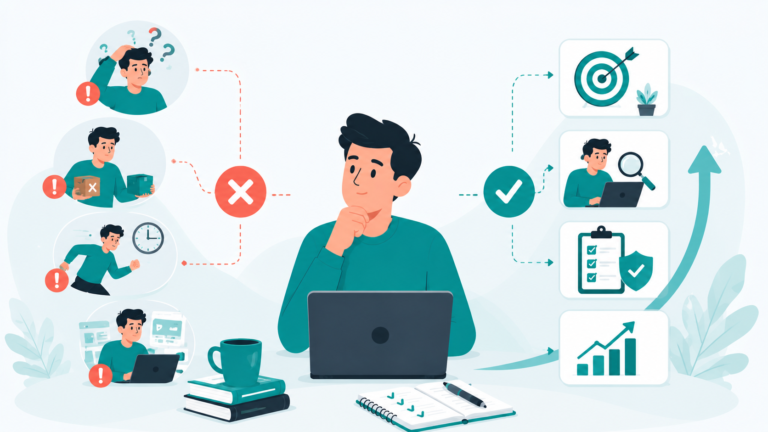
And if you want to avoid some of the most common beginner traps, it also helps to review affiliate marketing mistakes beginners should avoid
A Simple Beginner Plan to Start
If you want a practical starting point, keep it simple.
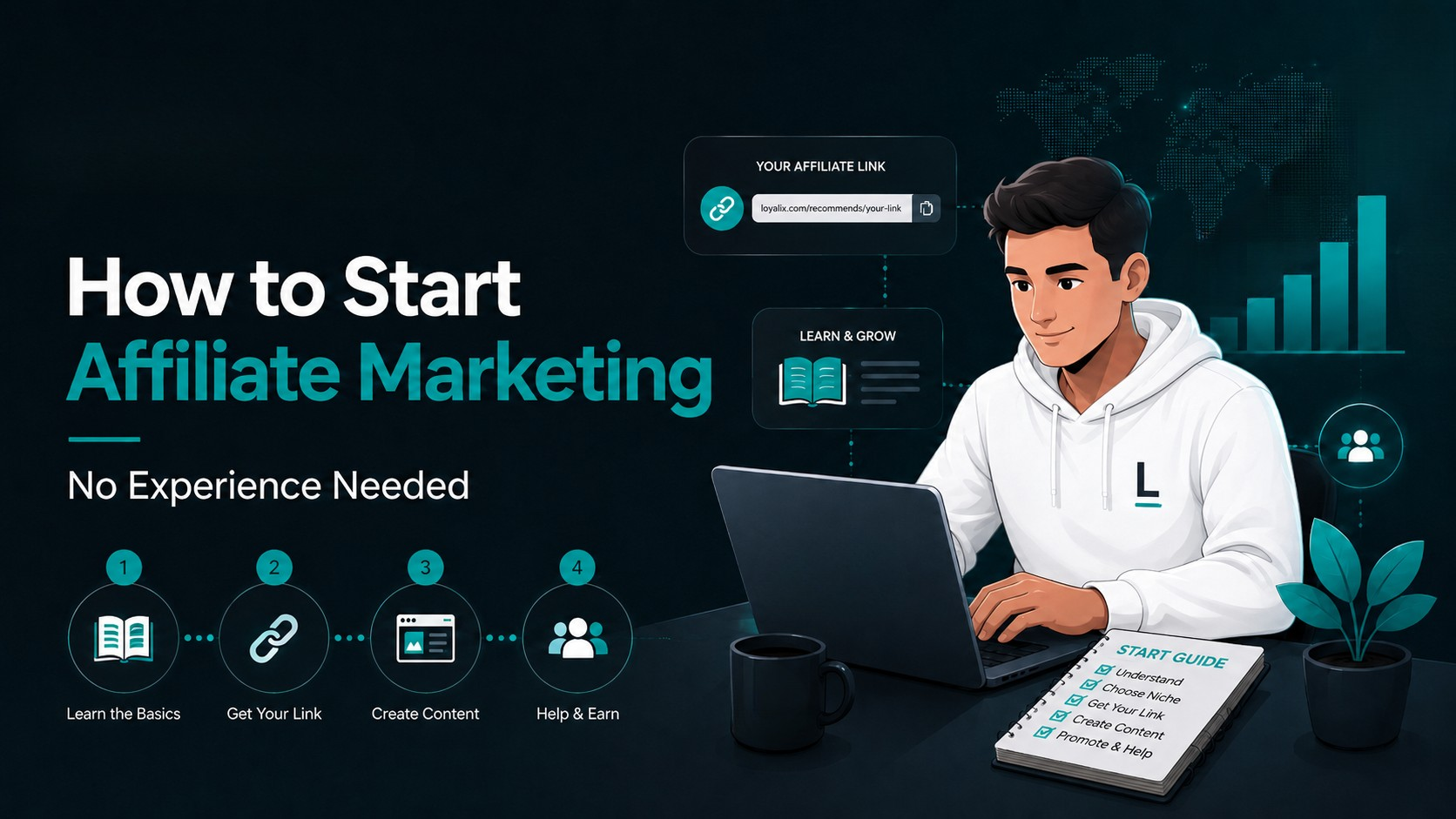
Here is a beginner-friendly plan:
1. Learn the basics
Understand what affiliate marketing is, how links work, and how commissions are earned.
2. Choose one direction
Pick one content theme that makes sense for your audience and interests.
3. Understand your audience
Think about who you want to help and what they actually need.
4. Join one or two relevant affiliate programs
Choose beginner-friendly, trustworthy programs that fit your topic.
5. Create useful content
Start with guides, helpful explanations, and practical articles instead of random promotion.
6. Share your content consistently
Use one or two platforms and focus on building a steady rhythm.
7. Review and improve
Notice what content works, where readers engage, and how you can make your guidance clearer over time.
This kind of simple structure helps beginners move forward without feeling lost.
Final Thoughts
The best way to start affiliate marketing with no experience is to keep the process simple, useful, and realistic.
You do not need experience to begin affiliate marketing. You do need patience, clarity, and a willingness to learn step by step.
The smartest way to start affiliate marketing with no experience is not by chasing speed, but by building a calm and useful foundation. Learn the basics, choose a clear direction, understand your audience, and focus on helpful content before trying to do too much.
Affiliate marketing works better as a long-term skill than as a quick-income idea. When you begin with realistic expectations and a trust-first mindset, the path becomes much more stable.
FAQ
Can I start affiliate marketing with no experience?
Yes. Many people begin affiliate marketing with no prior experience. The key is to start with learning, choose a clear direction, and build gradually instead of expecting fast results.
What is the first step in affiliate marketing for beginners?
The first step is understanding the basics. Learn how affiliate programs work, how referral links are used, and how commissions are earned before trying to promote anything.
Do I need a website to start affiliate marketing?
It depends on your consistency, content quality, niche, and learning process. For most beginners, progress takes time and usually grows gradually rather than instantly.
How long does it take to make progress in affiliate marketing?
It depends on your consistency, content quality, niche, and learning process. For most beginners, progress takes time and usually grows gradually rather than instantly.
What should beginners avoid in affiliate marketing?
Beginners should avoid unrealistic expectations, promoting random products, ignoring audience needs, and trying to use too many platforms at once. A simpler, trust-based approach usually works better.