

Fixed vs Variable Expenses: A Simple Guide for Beginners
Managing money becomes easier when you understand where your money goes. One of the simplest ways to do this is to separate your expenses into two basic groups: fixed expenses and variable expenses.
At first, these terms may sound formal. But the idea is simple. Some costs stay almost the same every month. Other costs change depending on your habits, choices, and daily life.
When beginners understand the difference between fixed vs variable expenses, budgeting becomes less confusing. You can see which costs are predictable, which ones need more attention, and where small changes may help you feel more in control.
This guide explains fixed and variable expenses in a simple, beginner-friendly way. It will help you understand the difference, recognize common examples, and use both types of expenses to build a clearer budget.
Table of Contents
- What Are Fixed Expenses?
- What Are Variable Expenses?
- Fixed vs Variable Expenses: The Main Difference
- Simple Fixed and Variable Expenses Table
- Why Fixed Expenses Matter in a Budget
- Why Variable Expenses Matter in a Budget
- How to Use Fixed and Variable Expenses in a Simple Budget
- Common Mistakes Beginners Make
- Fixed and Variable Expenses and Financial Literacy
- Final Thoughts
- FAQ
What Are Fixed Expenses?
Fixed expenses are costs that usually stay the same from month to month. They are often predictable, which makes them easier to plan for in a simple budget.
These expenses usually need to be paid regularly. Some of them may be essential, while others may be optional but still repeat every month.
Common examples of fixed expenses include:
- Rent or mortgage payments
- Insurance payments
- Phone plans
- Internet bills
- Loan payments
- Subscription services
- Regular membership fees
Fixed expenses are called “fixed” because they do not usually change much in the short term. For example, if your rent is $900 per month, you can usually expect to pay the same amount again next month.
For beginners, fixed expenses are a helpful starting point because they show how much money is already committed before the month begins. Once you know these costs, it becomes easier to understand how much money may be left for variable spending, savings, and other priorities.
What Are Variable Expenses?
Variable expenses are costs that can change from month to month. Unlike fixed expenses, they are not always the same amount, and they often depend on your habits, choices, lifestyle, or current needs.
Some variable expenses are necessary. Others are more flexible. For example, groceries may be important, but the amount you spend on groceries can still change depending on what you buy, how often you shop, and whether prices increase.
Common examples of variable expenses include:
- Groceries
- Transportation
- Eating out
- Coffee
- Shopping
- Entertainment
- Personal care
- Delivery orders
- Home supplies
- Small everyday purchases
Variable expenses are important because they often show your real spending patterns. A person may feel that their budget is “almost fine,” but small flexible costs can quietly add up during the month.
This does not mean that variable expenses are bad. Many of them are normal parts of life. The goal is not to remove every flexible cost. The goal is to notice them, understand them, and decide which ones fit your budget.
Fixed vs Variable Expenses: The Main Difference
The main difference between fixed and variable expenses is predictability.
Fixed expenses are usually easier to predict because they stay almost the same each month. Variable expenses can change depending on your choices, habits, prices, or unexpected needs.
A simple way to think about it is this:
Fixed expenses are usually planned before the month begins.
Variable expenses often happen throughout the month.
For example, your rent may be the same every month, so it is easier to include in your budget. But your grocery spending, coffee purchases, transport costs, or entertainment expenses may change from week to week.
Both types of expenses matter. A useful budget does not ignore either one. Instead, it helps you see how fixed and variable expenses work together.
When you understand this difference, you can make better decisions. You can see which costs are regular, which costs are flexible, and where you may have more room to adjust your spending.
Simple Fixed and Variable Expenses Table
A simple table can make fixed and variable expenses easier to understand. It helps beginners see which costs are predictable, which costs can change, and which expenses may be more flexible.
| Expense Type | What It Means | Examples |
|---|---|---|
| Fixed expenses | Costs that usually stay the same each month. | Rent, insurance, phone plan, internet bill, loan payments. |
| Variable expenses | Costs that can change from month to month. | Groceries, transport, eating out, coffee, shopping, entertainment. |
| Flexible variable expenses | Costs you may be able to adjust more easily. | Delivery orders, subscriptions, non-essential shopping, hobbies. |
| Necessary variable expenses | Costs that can change but are still important. | Groceries, fuel, basic home supplies, personal care. |
This table is not about judging your spending. It is about understanding it.
Some expenses may not fit perfectly into one category. That is normal. The goal is not perfection. The goal is clarity.
Why Fixed Expenses Matter in a Budget
Fixed expenses matter because they show how much of your income is already committed before the month begins.
When you know your fixed expenses, you can see the basic structure of your budget. These are the costs that usually need to be paid regularly, whether you spend more or less on flexible items during the month.
For example, rent, insurance, phone bills, internet bills, and loan payments may already take a certain part of your income. Once these costs are clear, it becomes easier to understand how much money may be left for groceries, transport, savings, personal spending, and unexpected expenses.
Fixed expenses can also help beginners notice financial pressure early. If too much of your income goes toward fixed costs, your budget may feel tight even before variable expenses appear.
This does not mean every fixed expense is bad. Some fixed expenses are necessary and expected. The goal is simply to know them clearly, review them from time to time, and make sure they still fit your current life and income.
Why Variable Expenses Matter in a Budget
Variable expenses matter because they often show what is really happening with your money during the month.
Fixed expenses are usually easier to see because they repeat regularly. Variable expenses can be harder to notice because they often happen in smaller amounts, at different times, and in different places.
For example, groceries, coffee, eating out, transport, delivery orders, shopping, and entertainment may not always feel like major expenses on their own. But when they happen many times during the month, they can have a real impact on your budget.
This is why tracking variable expenses can be so helpful for beginners. It allows you to notice patterns instead of guessing. You may discover that one category is higher than expected, or that small everyday purchases are taking more space in your budget than you realized.
Variable expenses are not something to feel guilty about. Many of them are part of normal life. The goal is not to remove every flexible cost. The goal is to understand which expenses support your life and which ones may need small adjustments.
When you understand your variable expenses, you can make more realistic spending choices. You can also create a budget that gives you structure without making your life feel too restricted.
How to Use Fixed and Variable Expenses in a Simple Budget
A simple budget does not need to be complicated. You can start by using fixed and variable expenses to organize your money in a clearer way.
A budget can help you see how much money you make, how you spend it, and where small changes may be possible.
First, write down your monthly income. Then list your fixed expenses, because these are usually the easiest to identify. After that, estimate your variable expenses based on your normal spending habits.
You can use simple categories such as:
- Housing
- Bills
- Food
- Transport
- Savings
- Personal spending
- Subscriptions
- Unexpected costs
Once these categories are written down, your budget becomes easier to understand. You can see which costs are predictable, which costs change, and where your money may need more attention.
This process can also help you avoid guessing. Instead of feeling unsure about where your money went, you can look at your categories and see a clearer picture.
If your variable expenses are higher than expected, you do not need to change everything at once. Start with one or two categories. For example, you might review delivery orders, subscriptions, or small everyday purchases first.
The goal is to create a budget that feels realistic. A simple budget should help you make better decisions, not make you feel restricted or overwhelmed.
Common Mistakes Beginners Make
Understanding fixed and variable expenses is simple, but beginners can still make a few common mistakes. These mistakes are normal, especially when you are just starting to look at your spending more closely.
The goal is not to feel guilty about your money habits. The goal is to notice what is happening and make small improvements over time.
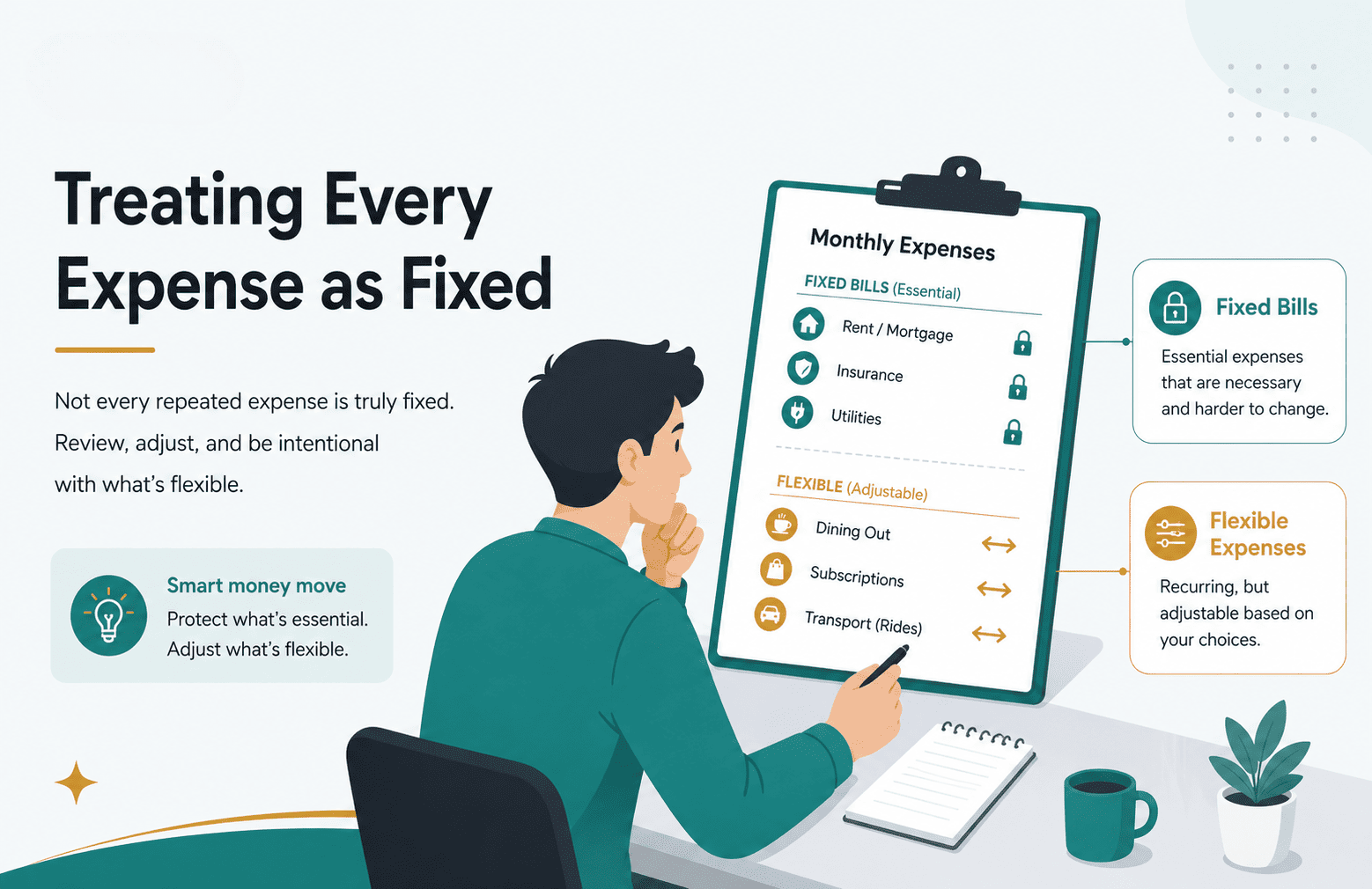
Treating Every Expense as Fixed
Some expenses feel fixed because they happen often. But not every repeated expense is truly fixed.
For example, eating out every week may feel normal, but it is still flexible. A subscription may renew automatically, but you can still review whether you need it. A regular shopping habit may feel familiar, but it may not be essential.
When beginners treat every repeated expense as fixed, they may miss opportunities to adjust their budget. Looking closely at these costs can help you find more flexibility without making dramatic changes.
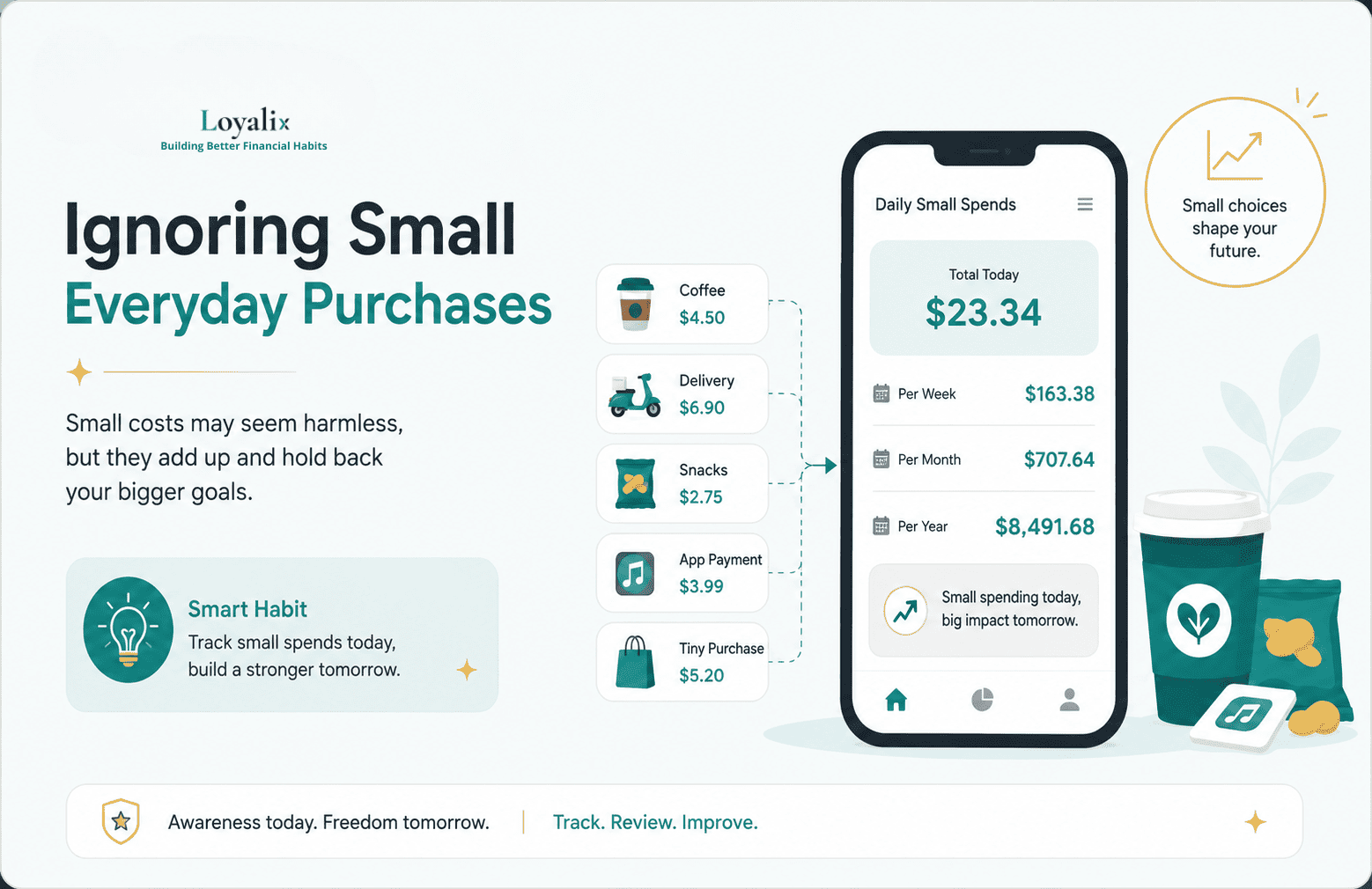
Ignoring Small Everyday Purchases
Small purchases are easy to overlook. Coffee, snacks, delivery fees, app payments, and small online orders may not seem important when you look at them one by one.
The problem is that small purchases can add up over time. A few small expenses repeated many times during the month can become a meaningful part of your budget.
This does not mean you need to remove every small purchase. It only means you should notice them. When you understand these patterns, you can decide which small expenses are worth keeping and which ones may need limits.
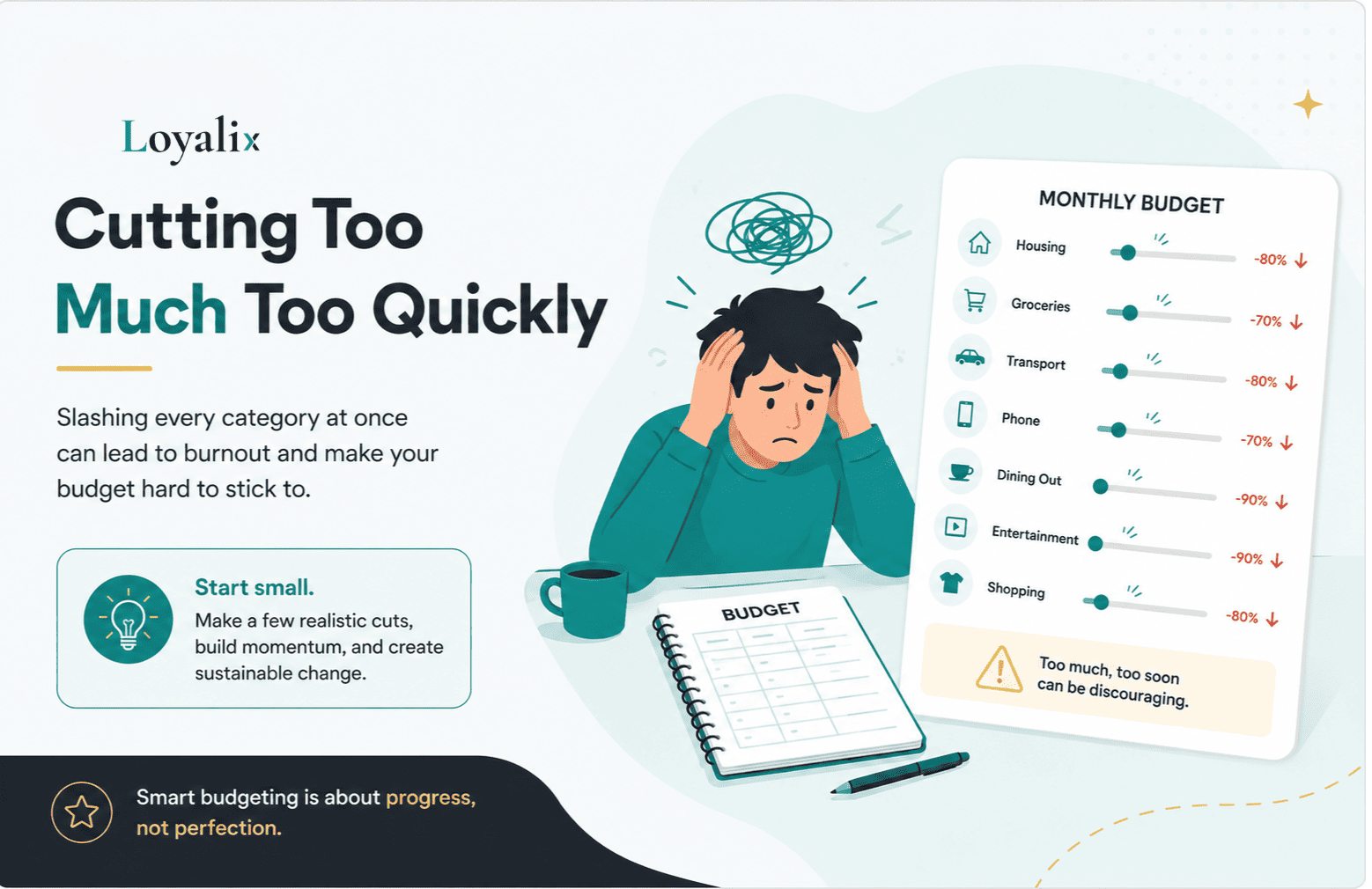
Cutting Too Much Too Quickly
Another common mistake is trying to reduce every variable expense at once.
At first, this may feel like a strong plan. But if the budget becomes too strict, it can be hard to follow. Beginners may feel frustrated, give up, and return to old habits.
A better approach is to start with one or two categories. For example, you might review delivery orders, subscriptions, or entertainment first. Small changes are easier to repeat, and repeated small changes can lead to better long-term results.
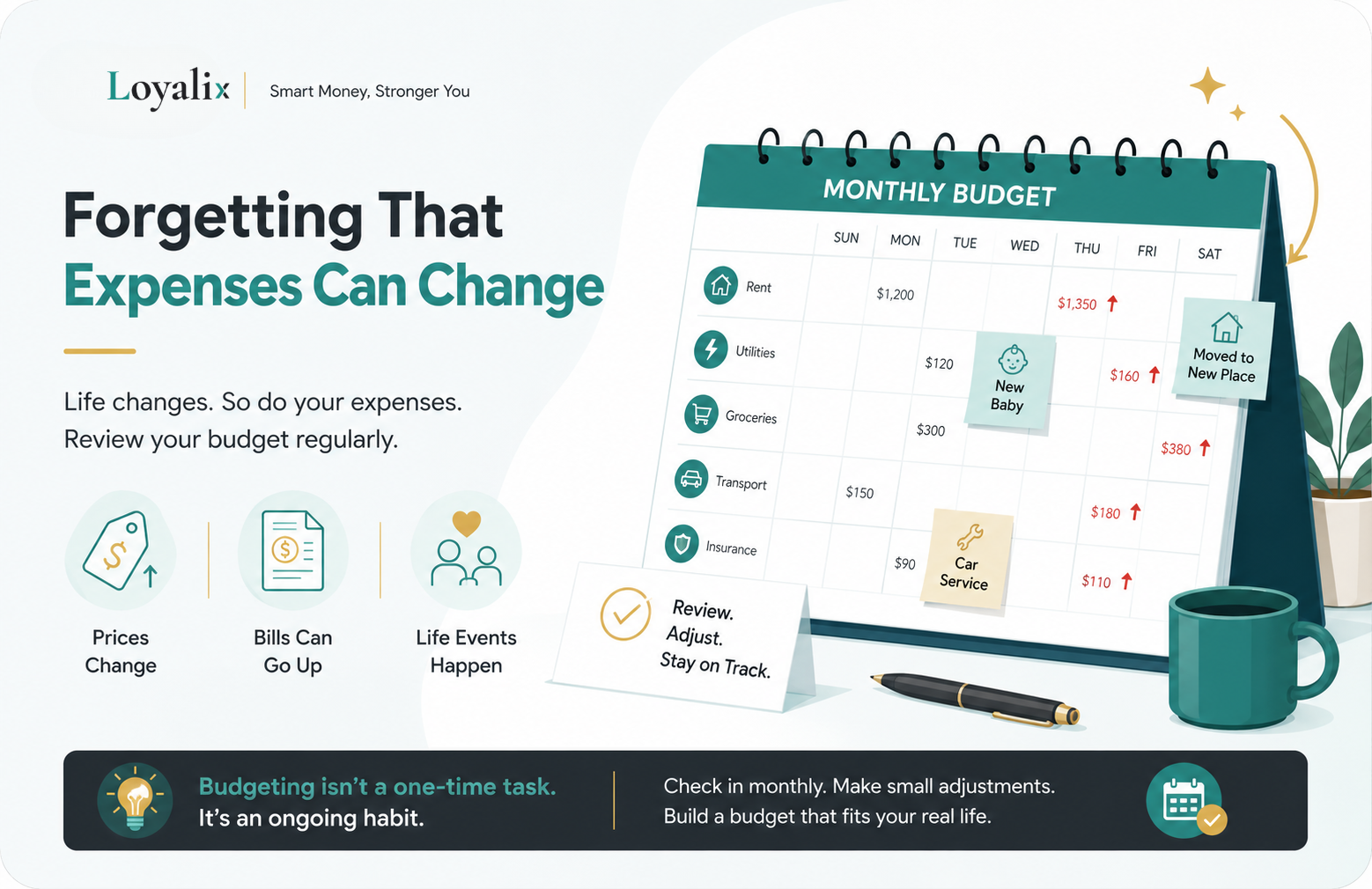
Forgetting That Expenses Can Change
Your expenses may change over time. A budget that worked a few months ago may not fit your current life anymore.
Prices may increase. Your income may change. Your needs may shift. A new bill, family expense, or personal goal may also affect your budget.
That is why it helps to review your fixed and variable expenses regularly. A budget is not something you create once and forget. It is a simple tool you can adjust as your life changes.
Fixed and Variable Expenses and Financial Literacy
Understanding fixed and variable expenses is an important part of financial literacy.
When you know which expenses are predictable and which ones can change, it becomes easier to make calm decisions about your money. You are no longer only reacting after the money is already spent. You are learning to notice patterns before they become stressful.
This knowledge also helps beginners build a more realistic budget. Fixed expenses show the regular costs that need attention first. Variable expenses show where habits, choices, and small adjustments can make a difference.
Learning this difference can also help you separate needs from wants more clearly. Some expenses are essential. Others are flexible. Some support your goals, while others may need to be reviewed over time.
Financial literacy is not about knowing everything at once. It starts with simple ideas that help you understand your money better.
Learning about fixed vs variable expenses gives beginners a simple way to see how regular costs and flexible spending work together.
Final Thoughts
Fixed vs variable expenses are simple ideas, but they can make a big difference in how you understand your money.
Fixed expenses show what is predictable. Variable expenses show where your habits, choices, and daily spending may need more attention. When you look at both together, your budget becomes easier to understand.
You do not need a perfect budget to get started. You only need a clear picture of your income, your regular costs, and your flexible spending.
Start small. List your fixed expenses first. Then track your variable expenses for a few weeks. Over time, this simple habit can help you notice patterns, make calmer decisions, and build a money system that feels realistic for your life.
The goal is not to control every detail. The goal is to understand your money well enough to make better choices step by step.
FAQ
What is the difference between fixed and variable expenses?
Fixed expenses usually stay the same each month, while variable expenses can change depending on your habits, choices, prices, or current needs.
Is rent a fixed expense?
Yes, rent is usually a fixed expense because it normally stays the same each month and is paid regularly.
Are groceries fixed or variable expenses?
Groceries are usually variable expenses because the amount can change from month to month depending on prices, habits, family needs, and shopping choices.
Why are variable expenses important?
Variable expenses are important because they often show real spending patterns. They can help beginners notice where small purchases, flexible choices, or changing costs may affect the budget.
Can fixed expenses change?
Yes, fixed expenses can change over time. Rent, insurance, subscriptions, and other regular payments may increase, decrease, or need to be reviewed as your life changes.
How can beginners track fixed and variable expenses?
Beginners can start by listing fixed expenses first, then tracking variable expenses such as groceries, transport, eating out, subscriptions, and small everyday purchases for a few weeks.